
SCALP PSORIASIS CAN CAUSE ITCHING, SCALING AND SORENESS. THE RIGHT CARE AND TREATMENT CAN HELP MANAGE SYMPTOMS AND IMPROVE COMFORT.
What is Scalp Psoriasis?
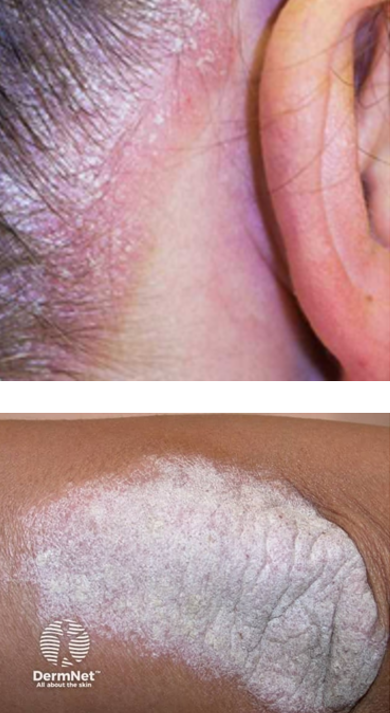
Scalp Psoriasis is a chronic autoimmune condition characterised by a buildup of skin cells that form thick white or silver scales. The surrounding skin is typically red, cracked and inflamed. Psoriasis can occur anywhere on the scalp, but it most commonly appears in isolated areas: around the hairline, forehead, behind the ears, and at the nape of the neck. It may also affect other parts of the body, particularly the elbows, knees, and shins.
What Causes Scalp Psoriasis?
Simply put, autoimmune conditions such as psoriasis occur when the body mistakenly attacks itself. When the immune system becomes dysregulated, normal bodily processes fall out of sync. In psoriasis, white blood cells designed to protect the body from infection mistakenly target healthy skin cells.
This triggers an accelerated cycle of skin cell production. Normally, skin cells renew gradually over several weeks, but in psoriasis, this process can happen in just a few days. Because the skin can't shed cells quickly enough, excess cells build up on the surface, forming the thick, scaly plaques associated with the condition.
Psoriasis is a complex, multifactorial condition influenced by genetic, immune, hormonal, and environmental factors. Flare-ups can also be triggered or worsened by stress, illness, infection, hormonal changes, certain medications, alcohol, smoking, pollution, environmental factors (cold, harsh weather conditions), skin trauma, and lifestyle factors. Some individuals also report that certain foods, such as dairy, trigger symptoms.
The condition is more commonly diagnosed alongside other inflammatory or immune-related conditions, including psoriatic arthritis, inflammatory bowel disease, type 2 diabetes, anxiety, depression, and cardiovascular disease. Although psoriasis can develop at any age, it can emerge during periods of hormonal change, including puberty and menopause.
Psoriasis Treatment
Psoriasis is not contagious, and while there is no cure, treatments can slow skin cell production and reduce inflammation. A GP can assess it, as many effective treatments are prescription-based and tailored to severity. A trichologist can also support ongoing scalp management, offering in-clinic treatments and a tailored long-term care plan.
Common medical and supportive treatments include:
Topical corticosteroids are steroid-based medicines that reduce inflammation and irritation
Topical retinoids help soften and reduce thickened or raised plaques of skin
Salicylic acid helps lift scale build-up and improves the penetration of other prescribed treatments
Dermatologically approved moisturisers, such as aqueous cream, soothe the skin and support the skin barrier
Cade shampoos help calm inflammation, itching, and scaling
Cetrimide shampoos cleanse the scalp and help reduce the risk of infection
In more persistent or severe cases, oral medications or injectable treatments may also be required.
Lifestyle Recommendations
Eat healthily: Certain foods may contribute to inflammation in some individuals, including dairy, processed foods, saturated fats, and refined sugars. A more balanced approach often centres on whole, nutrient-rich foods, alongside omega-3 fatty acids. You can find them in oily fish such as salmon and mackerel, as well as plant-based sources including walnuts, flaxseeds, chia seeds, hemp seeds, pumpkin seeds, and leafy greens.
Healthy habits: Alcohol and nicotine can, for some individuals, be linked with increased inflammation and may influence psoriasis symptoms. Being mindful of overall consumption may support longer-term wellbeing.
Emotional support networks: Psoriasis can affect confidence and emotional wellbeing. Supportive networks can help ease that burden, offering space to share experiences and feel understood
Stress relievers: Stress is a recognised trigger for flare-ups. Many people find practices such as meditation, yoga, reading, painting, or gardening helpful in supporting calm and restoring balance.
It is completely understandable that a psoriasis flare-up can affect your confidence and occupy your thoughts. With consistent care and the right support, you can often bring the condition under control, helping scalp health and overall wellbeing improve over time.


© 2026 The Hair Consultancy