
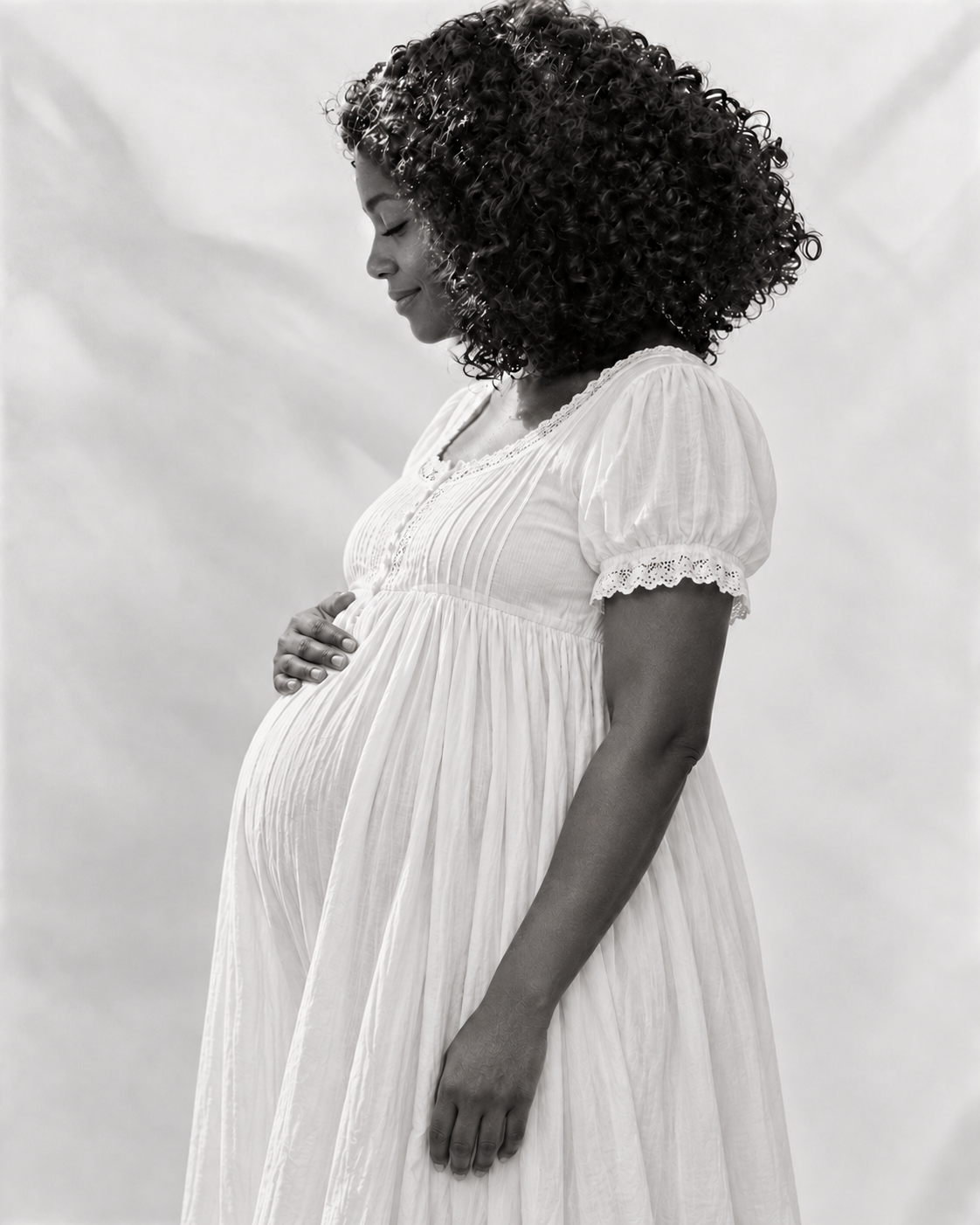
YOUR BODY GOES THROUGH AN INCREDIBLE TRANSFORMATION WHEN YOU’RE EXPECTING. DISCOVER WHAT THIS CAN MEAN FOR YOUR HAIR.
The changes a woman’s body undergoes during pregnancy are truly remarkable. Our bodies transform and adapt in many ways to nurture new life while keeping us healthy, too. Everybody is different, so it's no surprise that pregnancy can affect us in different ways, including changes to our hair.
Anagen: This is the growth stage and makes up about 90% of a hair’s life. This stage can vary considerably, lasting anywhere from two to seven years.
Catagen: This phase signals the end of the growth stage and typically lasts 10 days.
Telogen: This is the resting stage, when the hair remains in the follicle but no longer grows. This phase lasts for 100 days.
The first trimester – extra stimulation
In your first trimester, the placenta develops and provides the foetus with nutrients and oxygen via the umbilical cord. It also transfers waste from the foetus to your bloodstream for removal and produces hormones, primarily oestrogen and progesterone. These work alongside other hormones, including androgens and oxytocin, to support pregnancy. One side effect of boosted oestrogen levels is follicle stimulation, which can make hair grow thicker, stronger, and shinier.
Some women also experience a shift in their hair’s texture, with strands becoming smooth, healthy and full of life. However, the hair can take a different turn during these months. Factors such as prolonged morning sickness, gestational diabetes, and the simple fact that the foetus requires a tremendous amount of energy to grow can lead hair to become dry and brittle instead.
Your body will naturally prioritise your baby’s needs over those of your hair, so it’s possible that your iron, an essential nutrient for hair growth, might drop as supplies are diverted to your baby. Again, our bodies are complex and unique, and in a time when so much is changing, it’s easy to feel hyper-sensitive to these shifts. Combining a balanced diet with doctor-recommended supplements, regular rest, and plenty of hydration are simple ways to support your body’s health.
Note: You may also notice hair growth on other parts of your body, typically the face and navel area. Don’t worry: it’s all part of the process.
Postpartum – shedding season
For some, the postpartum period can be shedding season. As the placenta leaves your body, so does the extra oestrogen you received during pregnancy, which can affect your body in many ways.
For your hair, this can mean losing some of those extra strands you enjoyed in the months before. The sudden decline in hormones is considered the root of post-pregnancy hair loss, as hairs that were prolonged in their growth phase move through the hair cycle and enter the shedding phase.
This can be stressful, but rest assured the body will regulate and rebalance itself, and your hair will return to its original state after pregnancy. Be patient: it can take time for order to be restored. Hair shedding typically slows down around five months postpartum. If you notice your hair is still falling out after seven months, return to your GP or consult a Trichologist, who can advise and offer treatment if needed.
We hope this article gives you confidence in whichever stage of your pregnancy you are in. While there will be highs and lows throughout the process, remember you are creating something remarkable, and let it remind you how truly unique and beautiful you are.


© 2026 The Hair Consultancy